

Step Aside Potato Fries – Here Come Yuca Fries!
We all know classic potato fries are a menu staple,
but in an increasingly competitive foodservice landscape, standard spuds leave a lot to be desired. Between soggy takeaway quality and shifting consumer health preferences, operators are actively seeking higher-margin, standout alternatives for French fries. Enter yuca.
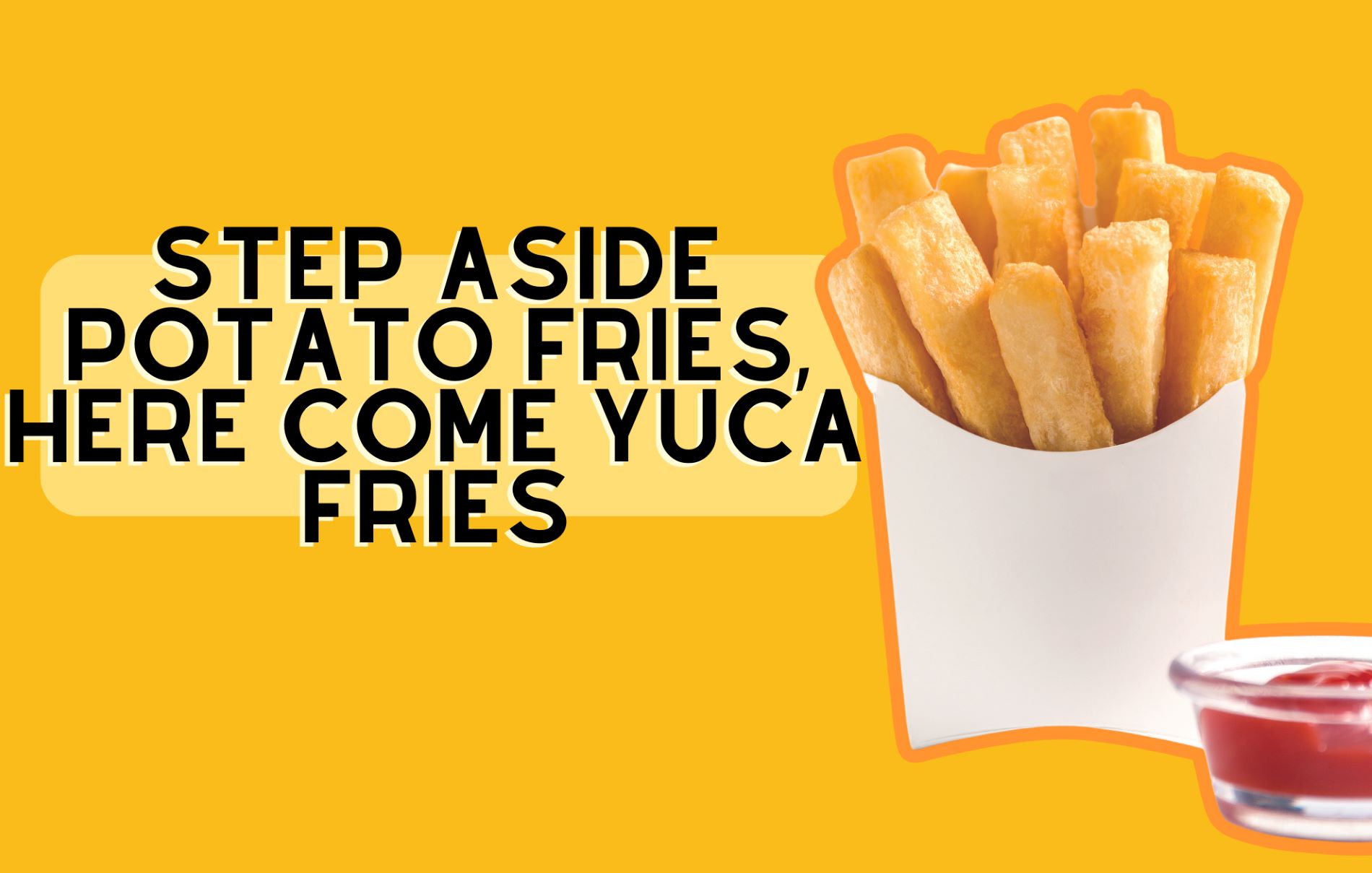
While its exterior might look rugged, beneath the skin lies a high-yield culinary chameleon. Fried or baked, mashed or boiled, no matter how it’s prepared, yuca is a welcomed alternative to potatoes. Known globally as cassava or manioc, yuca fries deliver exceptional plate coverage, hold their signature crunch significantly longer than traditional potatoes, and offer a premium, tropical upgrade that justifies a higher price point on any menu.
With the global cassava market valued at an estimated $186.4 billion in 2026 and projected to reach $220.9 billion by 2030, this root vegetable is gaining momentum among foodservice operators, school nutrition programs, healthcare dining teams, and wholesale distributors alike.
What is Yuca?
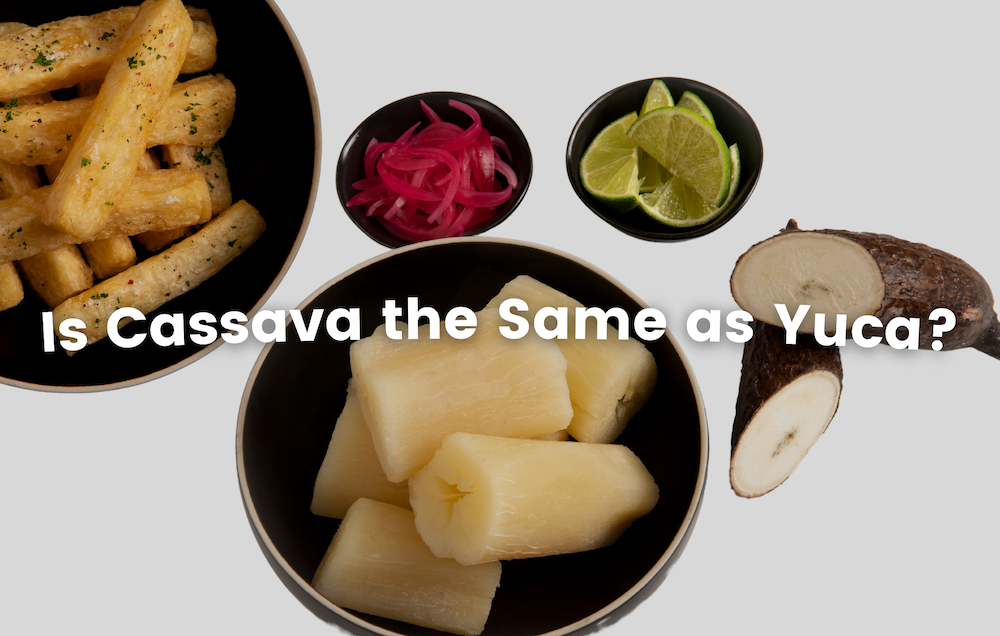
Yuca, also known as cassava or manioc in the U.S., and by at least a dozen different names around the world (manihot esculenta, akpu, singkong, mandioca, and so on) is a tropical root vegetable native to Brazil and has spread across tropical regions all over the world.
Yuca has many of the same tuberous characteristics of the potato varieties commonly found in grocery stores, but with some key physical differences. Unlike the typical oblong shape of potatoes, yuca is longer and firmer with tapered ends. And instead of the relatively smooth, dimpled skin of potatoes, yuca has a fibrous, bark-like exterior, which is contrasted with a bright white, starchy interior.
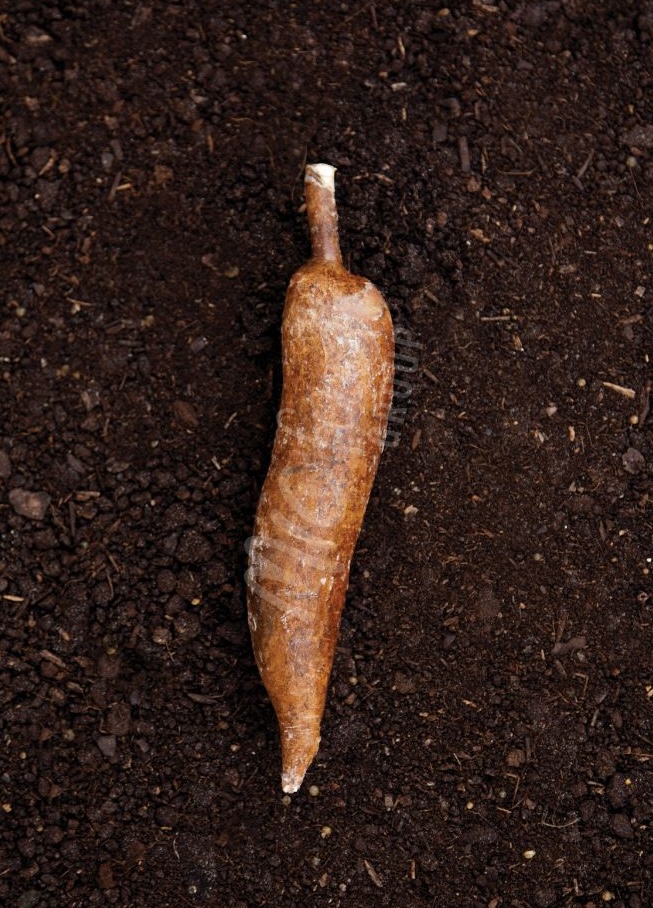
Originally discovered over 4,000 years ago by indigenous groups in modern day Latin America, it was rediscovered by European traders in the 1400s and taken global, initiating the spread of its worldwide influence. Today this root vegetable remains an important staple in the diet of people in India, Asia and Africa, where it has become a favored crop for its year-round availability and tolerance to drought and severe climates (source).
Yuca Benefits
Compared to potatoes, yuca root is higher in calories, protein, and carbs. This makes it ideal for athletes and active individuals. Along with rice and corn, yuca is one of the primary sources of carbohydrates in the tropics. According to Full Plate Living, Yuca also has a low glycemic index (GI) of only 46 while potatoes have a GI of 72 to 88, depending on the cooking method used. This makes yuca root more suitable for diabetics. Both fresh and frozen yuca can be used in a variety of recipes. You can bake it, roast it, or mash it, just like you do with potatoes.
How to Eat Yuca
Yuca comes in two varieties—sweet and bitter—though the sweet variety is the one typically found in stores. Its nutritional benefits include low cholesterol, saturated fat and sodium, and in its raw state, it’s a good source of magnesium, potassium, Vitamin C, and fiber. It is also naturally gluten free.
Yuca has gained a following recently for the unique qualities it brings to cuisine, and has been featured several times in renowned chef Anthony Bourdain’s hit show No Reservations. It’s not surprising that its versatility is part of what makes it so popular.
Yuca can be made into dough for chips, empanadas, fritters and tamales. It can be peeled, boiled and seasoned as an accompaniment to any protein dish, or cut into wedges and fried for an amazing alternative to French fries, the perfect accompaniment to any steak, pork or chicken dish.
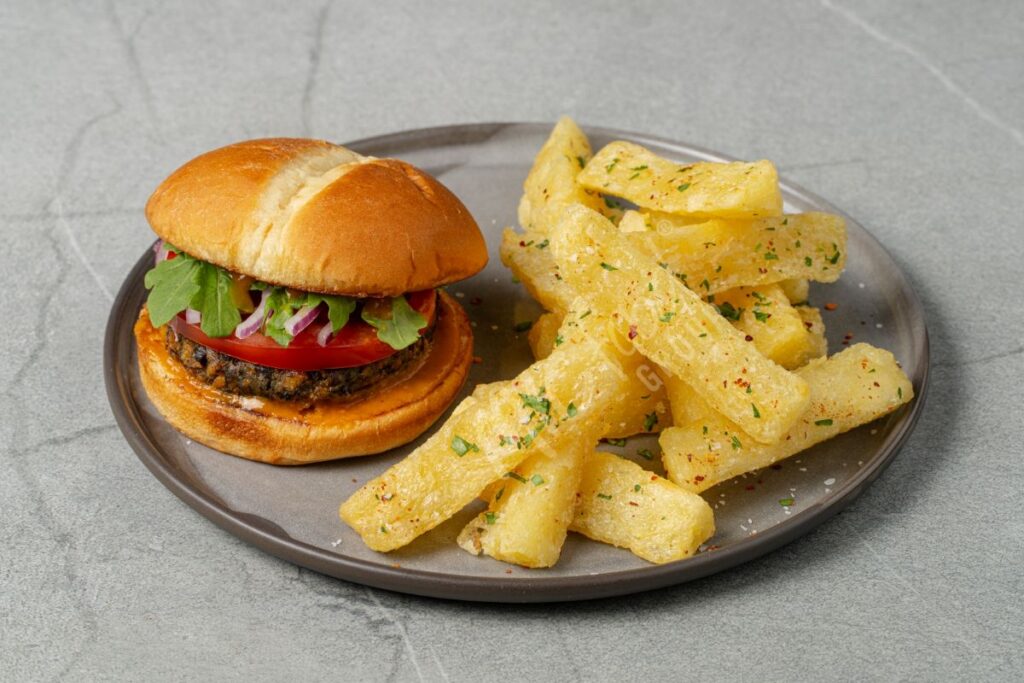
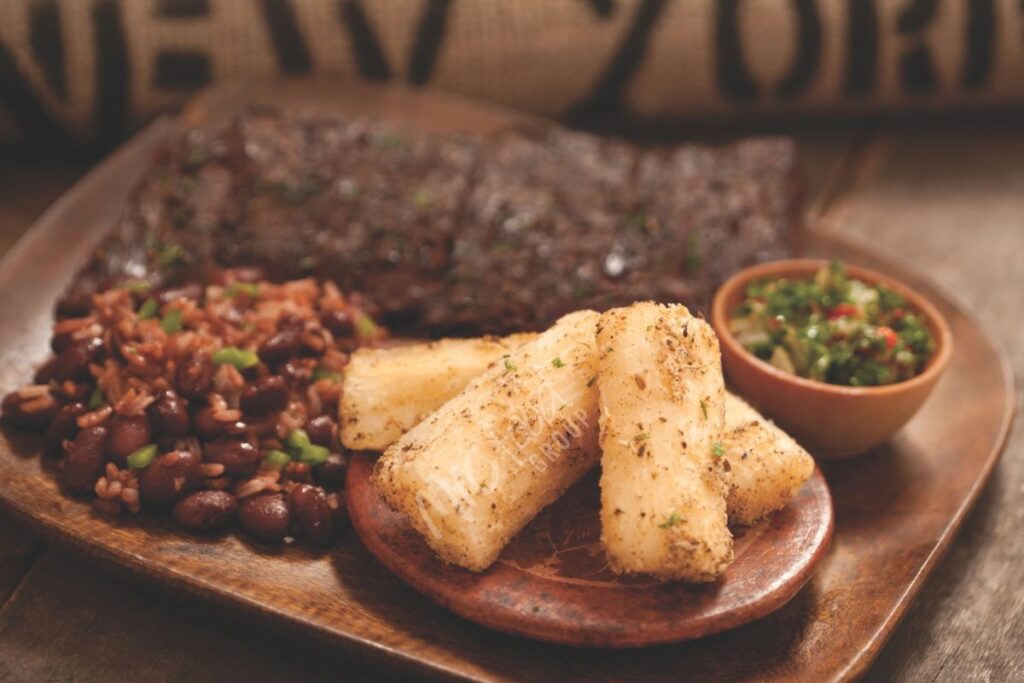
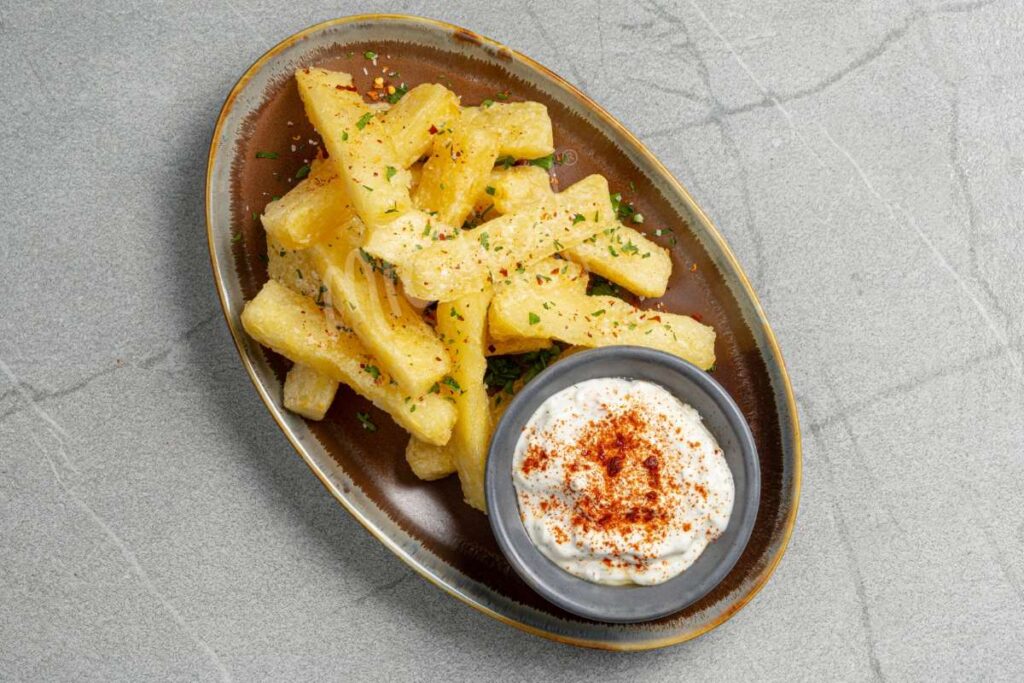
The starch extracted from yuca is called tapioca, a gluten-free food that serves as a great thickening agent for puddings, soups and other dishes. (You can learn more about the difference between yuca flour and tapioca starch here.)
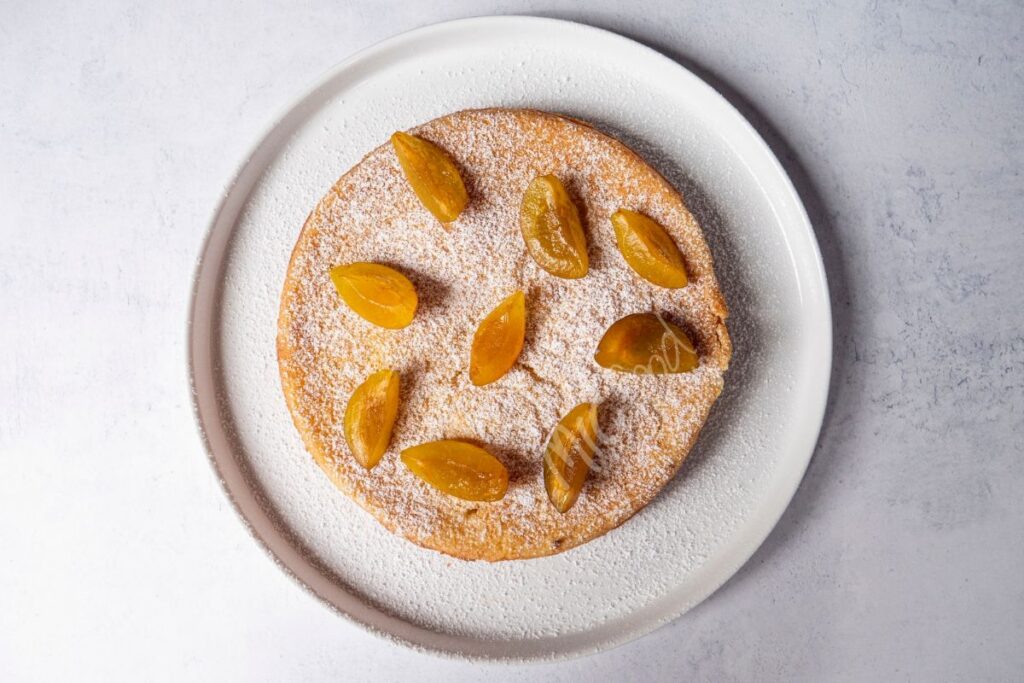
Yuca is widely used in Brazil to make cheese bread (pão de queijo) made with sour cassava flour or tapioca flour instead of all-purpose flour, a popular item typically available at Brazilian steak houses.
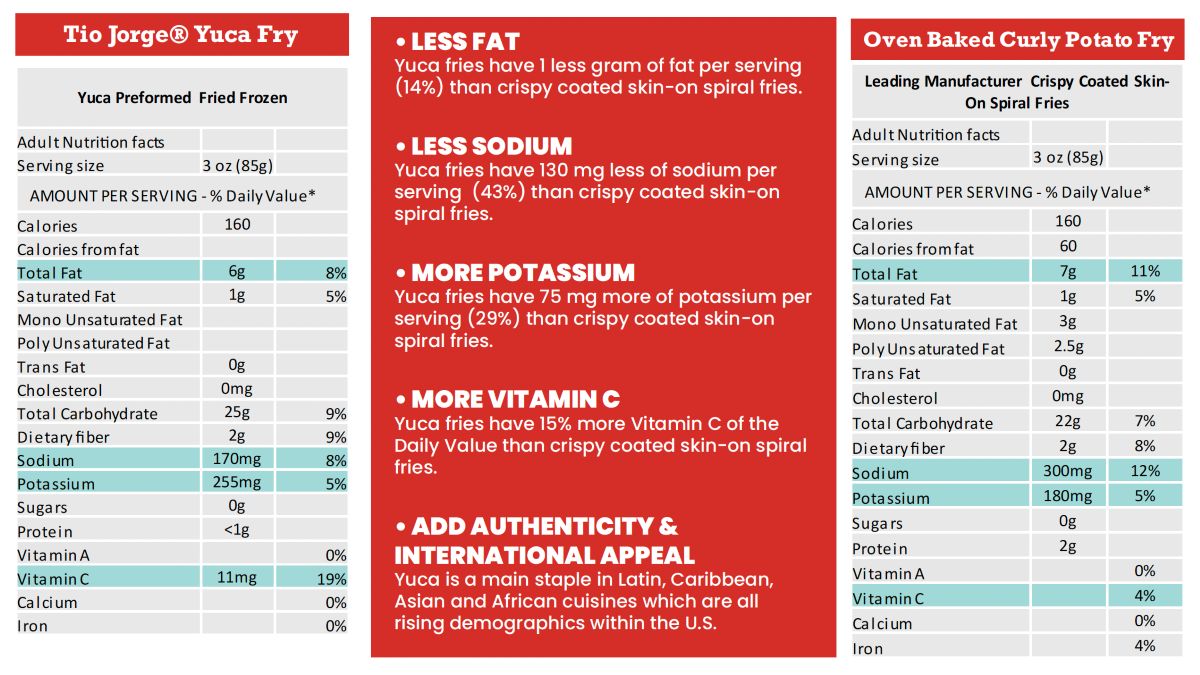
Yuca Fries VS Potato Fries: The Nutritionals
A Root of Many Names: What is Cassava Known as Around the World?
Americas & Caribbean
- Cassava (English-speaking Caribbean, North America, Global trade)
- Yuca (Spanish-speaking Latin America, Caribbean)
- Mandioca (Brazil, Argentina, Paraguay, Uruguay)
- Manioc (French Guiana, French Caribbean)
- Macaxeira or Aipim (Northeast and Southeast Brazil — specifically refers to sweet, non-toxic varieties)
- Guacamota or Guacamote (Mexico)
- Casabe (Dominican Republic, Puerto Rico — often specifically refers to the flatbread made from it, but also used for the root)
Africa
- Manioc (Francophone Central & West Africa, including DRC, Senegal, Ivory Coast)
- Cassava or Akpu (Anglophone West & East Africa, including Nigeria, Ghana, Uganda, Kenya)
- Mogo (Kenya, Tanzania — coastal Swahili areas)
- Muogo or Mhogo (Tanzania, Kenya)
- Chinangwa (Malawi, Zambia)
- Tshipinyi or Muruve (Parts of Southern Africa)
Asia & Pacific
- Singkamas or Kamoteng Kahoy (Philippines)
- Ubi Kayu (Malaysia, Indonesia, Singapore)
- Singkong (Indonesia)
- Maravalli Kizhangu (Tamil Nadu, India)
- Kapok / Kappa (Kerala, India)
- Shimla Aloo (Parts of Northern India)
- Manjok (Korea)
- Maniok (Sri Lanka)
- Tapioca (Widely used in South India and Southeast Asia for both the root and its extracted starch)
- Tapioka (Fiji, Polynesia)
Conclusion
Potato fries will always have a place on the menu, but yuca fries give your customers a reason to upgrade. With incredible crunch, year-round availability, and versatile culinary applications, yuca is the premium side dish solution modern foodservice demands. As labor challenges continue and demand grows for globally inspired flavors, frozen yuca fries provide an easy way to expand your menu without adding operational complexity.
Tio Jorge® Yuca Fries make it even easier. Made from 100% natural yuca, they’re peeled, cut, and frozen fresh—eliminating the labor-intensive peeling, cutting, and preparation required for fresh yuca. Simply heat and serve in minutes to deliver consistent quality, reduce kitchen prep, minimize waste, and serve a delicious alternative to traditional potato fries with every order.
Ready to bring something different to your menu? Explore Tio Jorge® Yuca Fries and discover how frozen, ready-to-serve yuca can help your operation save time while serving a premium side customers will love.

For creative ways to serve yuca, check out some of our trend-forward, globally-inspired recipes. Learn more at https://www.micfood.com/.
Related Articles: Yuca 101: What is Yuca?, Yuca vs Yucca