

Orange vs. Purple vs. Golden Sweet Potatoes: What’s the Difference?
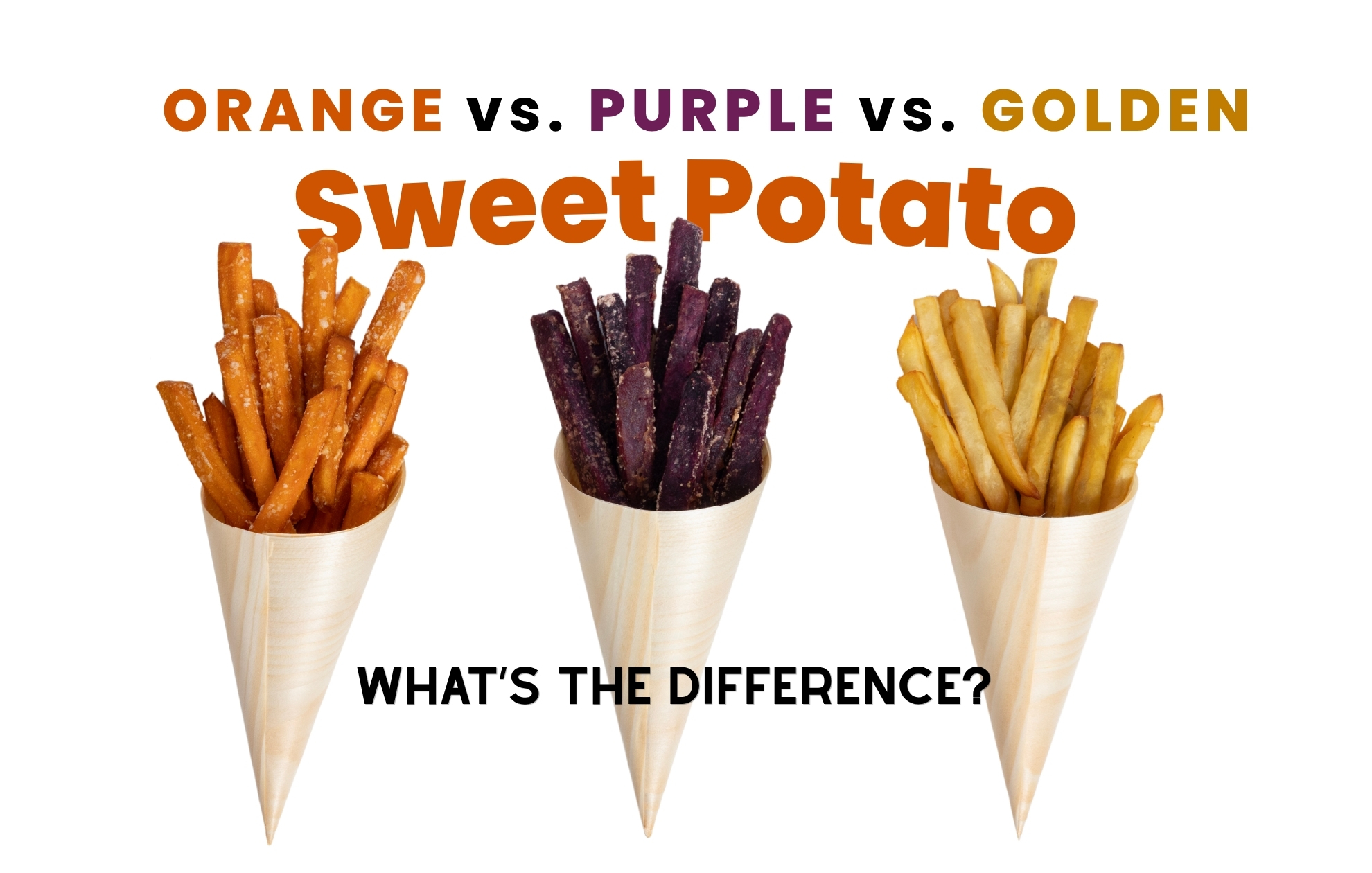
Not all sweet potatoes are created equally. From the mainstream orange varieties found on menus nationwide to the vibrant purple sweet potatoes gaining traction in global cuisine and the increasingly popular golden varieties, each brings unique nutritional benefits and flavor profiles to the plate, while remaining equally visually appealing.
For foodservice operators, it is important to understand what diners are looking for: colorful, globally inspired, and better-for-you menu options, while operators seek ingredients that reduce labor costs and minimize waste.
So how do orange, purple, and golden sweet potatoes compare? And how can operators leverage all three to meet emerging menu trends?
Orange vs. Purple vs. Golden Sweet Potatoes: A Side-by-Side Comparison
| Characteristic | Orange Sweet Potatoes | Purple Sweet Potatoes | Golden (Bonita) Sweet Potatoes |
| Flesh Color | Bright orange | Deep purple | Creamy, golden-yellow |
| Origin & Growing Regions | Primarily grown in the U.S. (North Carolina, California), China, Latin America | Japan, Hawaii, Vietnam, Philippines | Central America, Caribbean |
| Key Nutrient | Beta-carotene (Vitamin A precursor) | Anthocyanins (antioxidants) | Fiber, potassium, vitamin C |
| Flavor | Sweet, classic | slightly nutty | Mild, creamy, subtly sweet |
| Consumer Familiarity | High | Moderate | Growing |
| Visual Appeal | Bright and inviting; familiar in mainstream dining | Eye-catching, premium | Warm, distinctive |
| Popular Applications | Fries, sides, handhelds, and bowls | Global cuisine, specialty dishes | Caribbean, Latin, fusion menus |
| Menu Positioning | Better-for-you alternative to traditional potato fries | Premium, innovative | Versatile and chef-driven |
Where Are These Sweet Potatoes Grown and Consumed?
Orange Sweet Potatoes: America’s Favorite
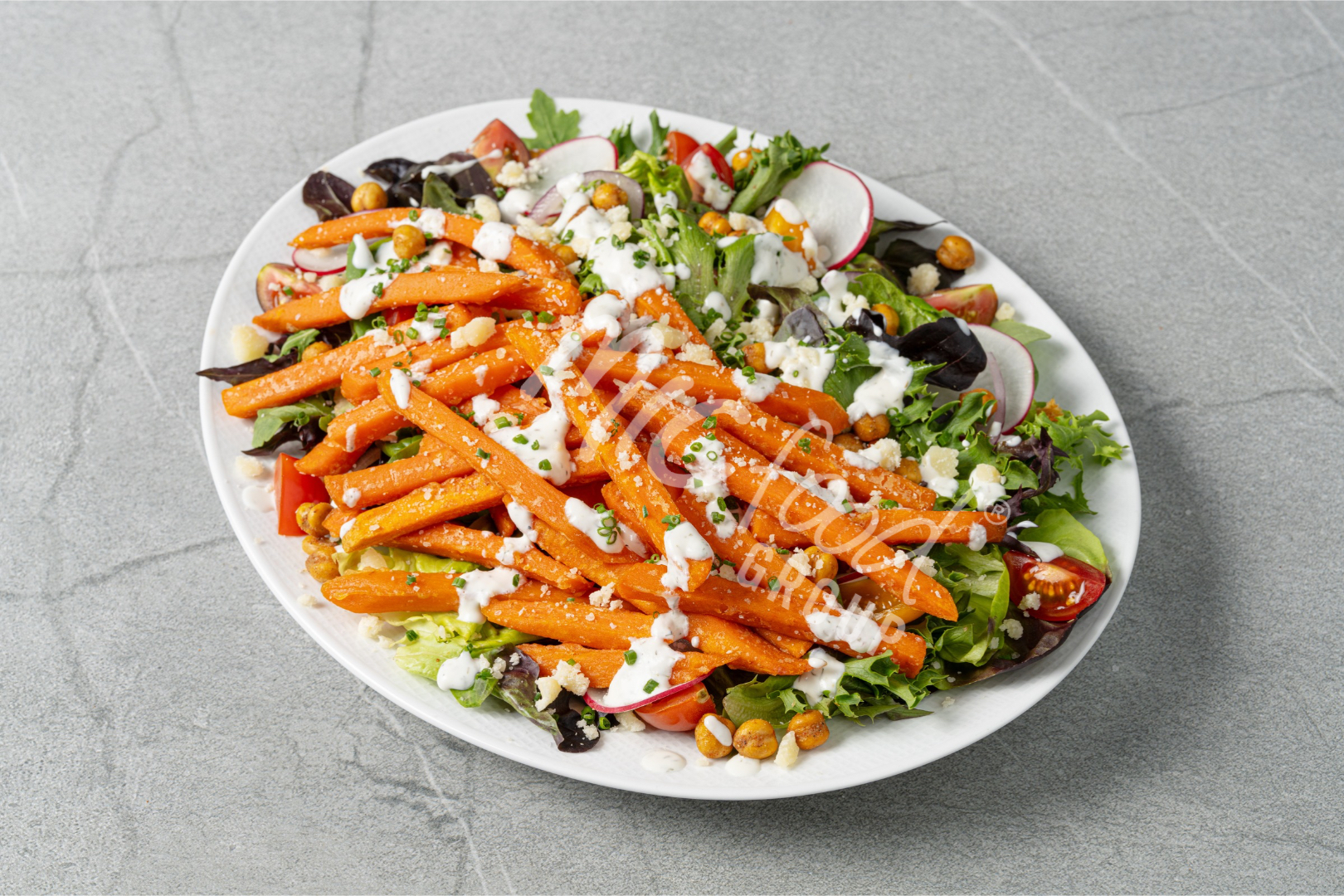
Orange sweet potatoes dominate U.S. production, with North Carolina leading domestic acreage. They are the variety most consumers immediately recognize and are commonly featured in restaurant sides, mashed applications, casseroles, fries, and bowls.
Their familiarity can make them an easy menu addition while still supporting better-for-you positioning.
Purple Sweet Potatoes: Global Inspiration Meets Visual Impact
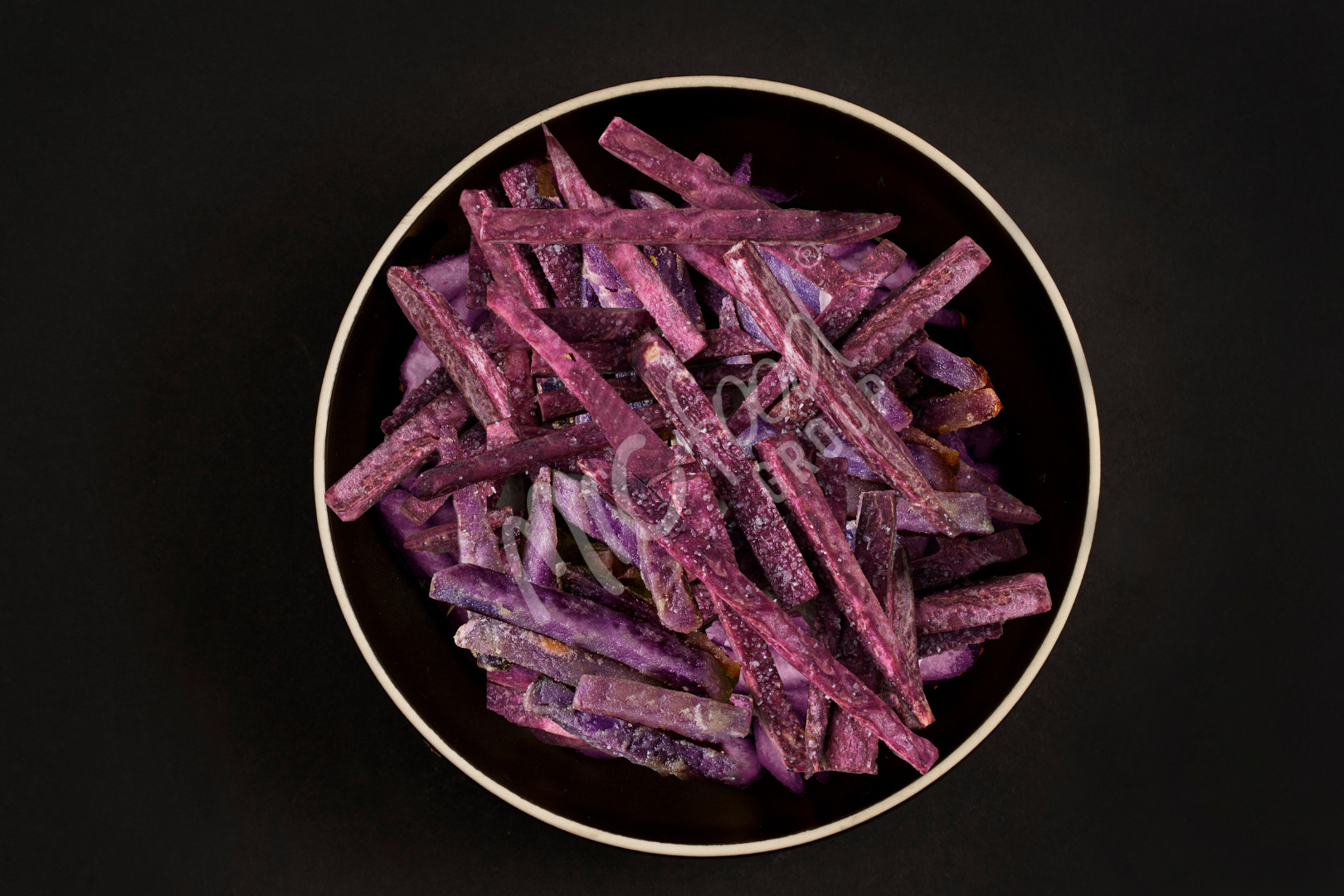
Purple sweet potatoes have long been popular throughout Asia and the Pacific, particularly in Japan, Vietnam, the Philippines, and Hawaii.
As consumers continue exploring global flavors, purple sweet potatoes are increasingly appearing in modern foodservice concepts, from upscale casual dining and casino restaurants to chef-inspired limited-time offerings.
Their dramatic color can instantly transform an otherwise ordinary plate.
Golden Sweet Potatoes: A Rising Star
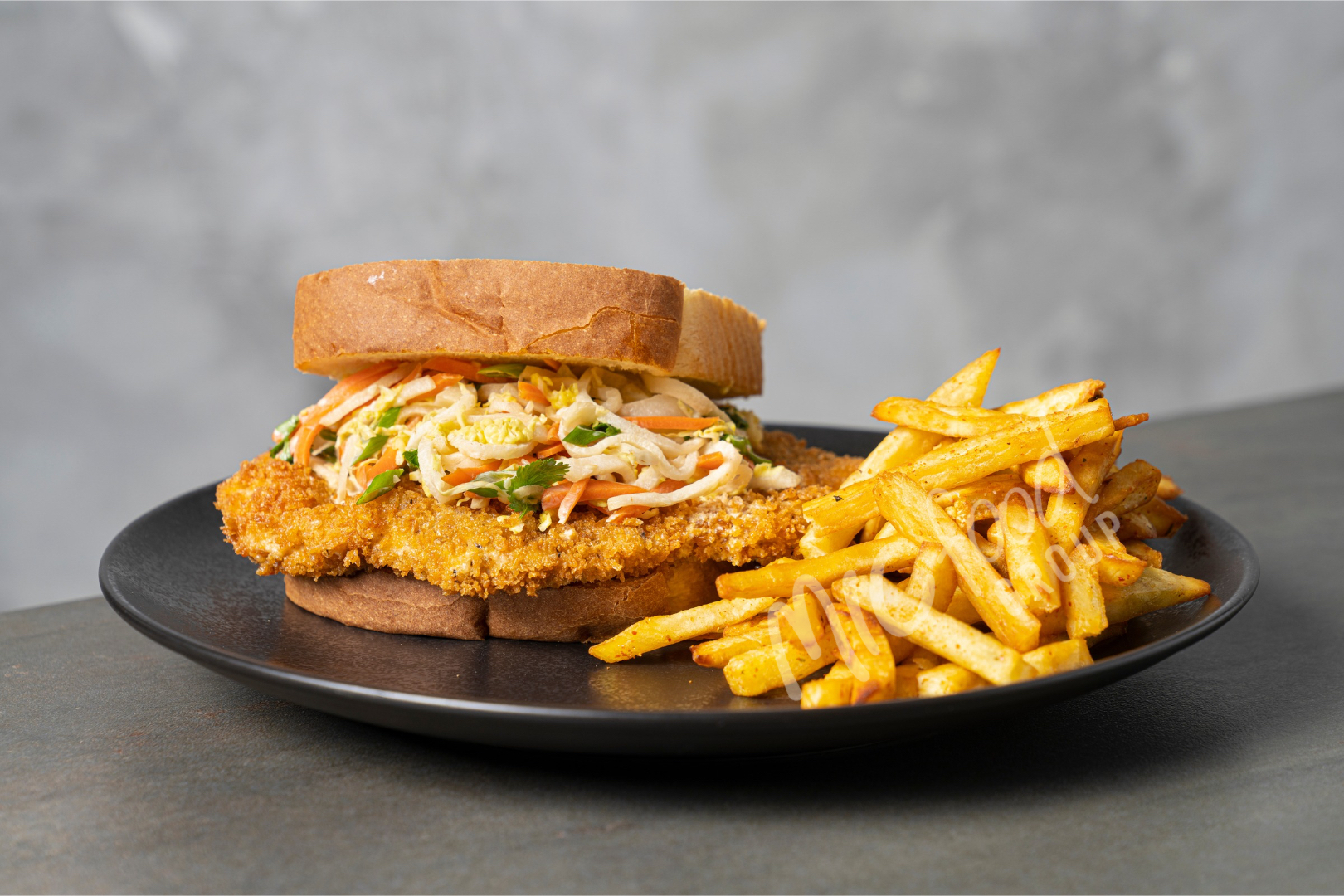
Golden sweet potatoes, also known as boniato, are popular throughout Latin America and the Caribbean.
Known for their creamy texture and milder sweetness, they offer chefs a versatile ingredient that pairs well with proteins, spices, and globally inspired sauces without overpowering other flavors.
Nutritional Differences: What Makes Each Variety Unique?
Sweet potatoes generally provide fiber, complex carbohydrates, vitamins, and minerals. However, each variety has nutritional strengths worth noting.
Orange Sweet Potatoes: Naturally Rich in Beta-Carotene
Orange varieties are known for their high beta-carotene content, which the body converts into vitamin A. Their bright orange color is a direct indicator of these carotenoid compounds.
Key benefits:
- Rich source of vitamin A precursors
- Good source of dietary fiber
- Contains potassium and vitamin C
Purple Sweet Potatoes: Antioxidant-Powered Color
Purple sweet potatoes contain anthocyanins, the same antioxidant compounds found in blueberries and blackberries.
Research has shown anthocyanins contribute to antioxidant activity and have attracted consumer attention as functional plant compounds.
Key benefits:
- Rich in anthocyanins
- Strong antioxidant profile
- Distinctive natural color
Golden Sweet Potatoes: Balanced and Versatile
Golden varieties deliver many of the nutritional benefits consumers expect from sweet potatoes while offering a milder flavor profile.
Key benefits:
- Good source of fiber
- Contains potassium
- Broad consumer appeal due to its visual similarity with traditional French fries
Sweet Potatoes Align with 2026 Foodservice Trends
- Colorful and Visually Engaging Foods: Consumers increasingly gravitate toward visually appealing dishes that stand out both in-person and on social media. Purple, orange, and golden sweet potatoes create a natural color contrast without artificial ingredients or additives.
- Global Flavor Exploration: From Asian-inspired dishes to Caribbean and Latin American flavors, sweet potatoes are found across numerous cuisines, helping operators tell authentic culinary stories.
- Better-for-You Comfort Foods: Diners continue seeking indulgent experiences with a perceived wellness component. Sweet potatoes satisfy both desires.
- Premium Side Dish Upgrades: Operators are replacing standard side dishes with options that create higher perceived value. Multi-colored sweet potato fries deliver a premium appearance with minimal menu complexity.
Fresh vs. Frozen Sweet Potatoes: Which Makes More Sense for Foodservice?
While fresh sweet potatoes have their place, frozen sweet potato products offer several operational advantages for high-volume operations.
Reduced Labor
Using fresh sweet potatoes requires:
- Washing
- Peeling
- Cutting
- Sorting
- Portioning
Frozen products eliminate many of these labor-intensive steps. Brands with frozen, ready-to-heat & serve items, such as United Flavors®, eliminate these labor-intensive steps by providing operators with a product that is ready in minutes.
Improved Consistency
Every basket, side dish, and plate receives the same cut size and appearance, helping create more consistent guest experiences.
Less Waste
Operators can use only the amount needed and keep the remaining inventory frozen for future service.
Faster Preparation
Frozen sweet potato fries can help reduce prep time while supporting faster kitchen throughput during peak periods.
Tri-Color Sweet Potato Fries Are Gaining Attention
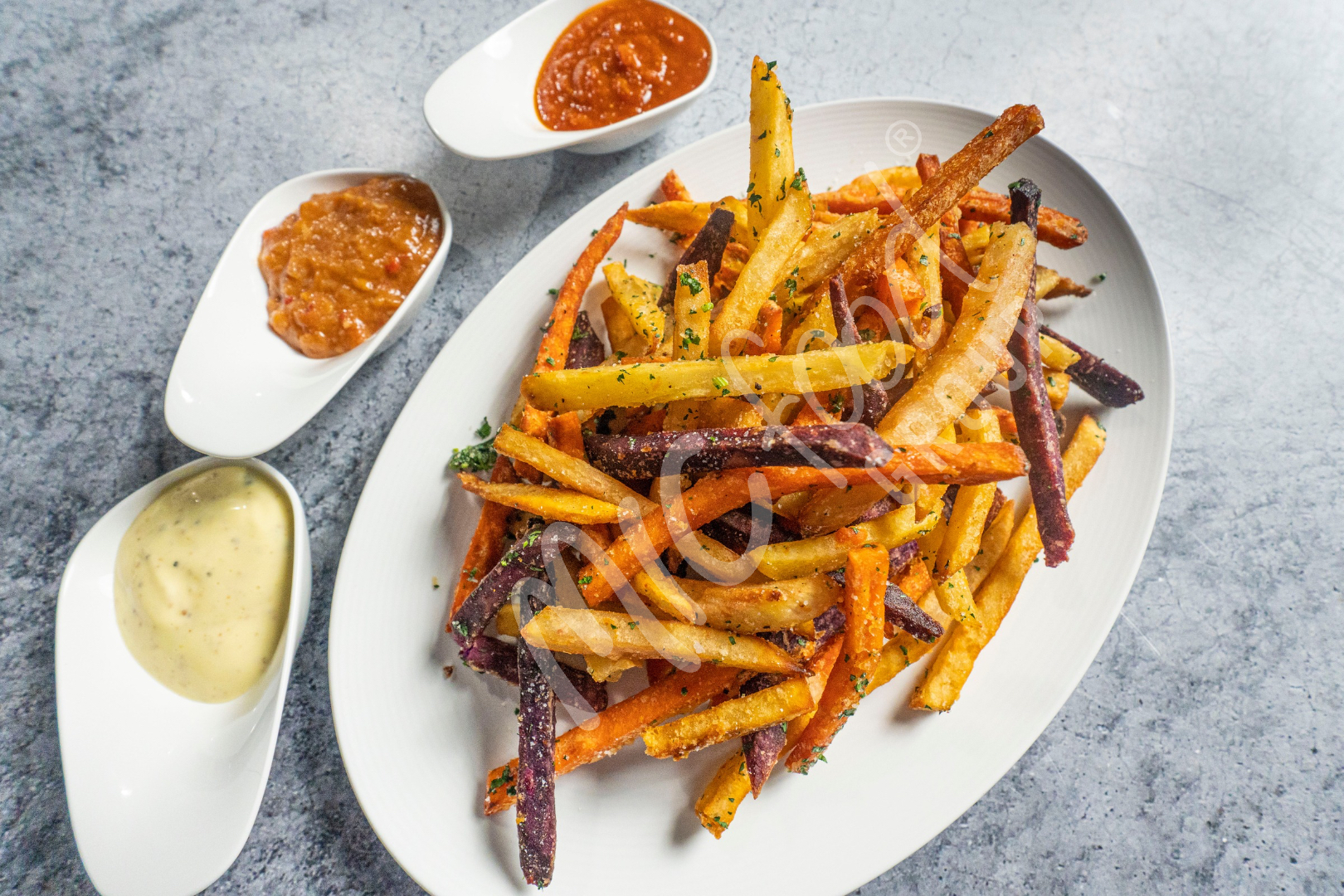
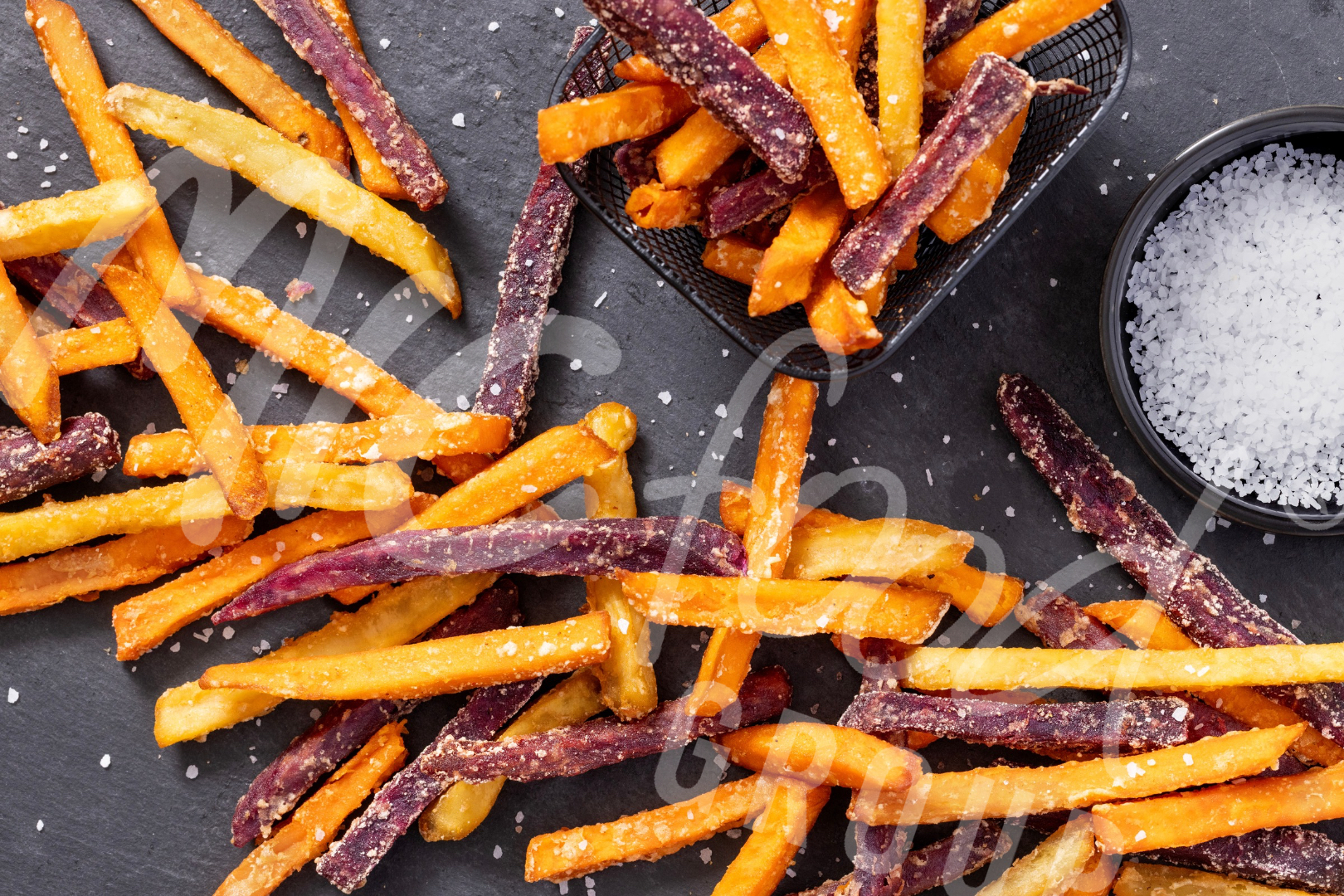
For operators looking to capitalize on all the benefits of different sweet potato fry varieties, choosing among orange, purple, and golden sweet potatoes may not be necessary. While each variety offers unique attributes, combining all three creates an eye-catching blend of color, flavor, and texture that can elevate side dishes, appetizers, and shareables.
United Flavors® Tri-Color Sweet Potato Fries combine all three varieties into a single product, delivering:
- Vibrant visual appeal
- Multiple flavor experiences
- Consumer-friendly nutritional perception
- Premium menu differentiation
- Labor-saving frozen convenience
- Consistent year-round availability
The result is a side dish that helps operators meet modern consumer expectations while simplifying back-of-house execution.
Menu Ideas for Casinos, Hotels, Restaurants, and Recreation Venues
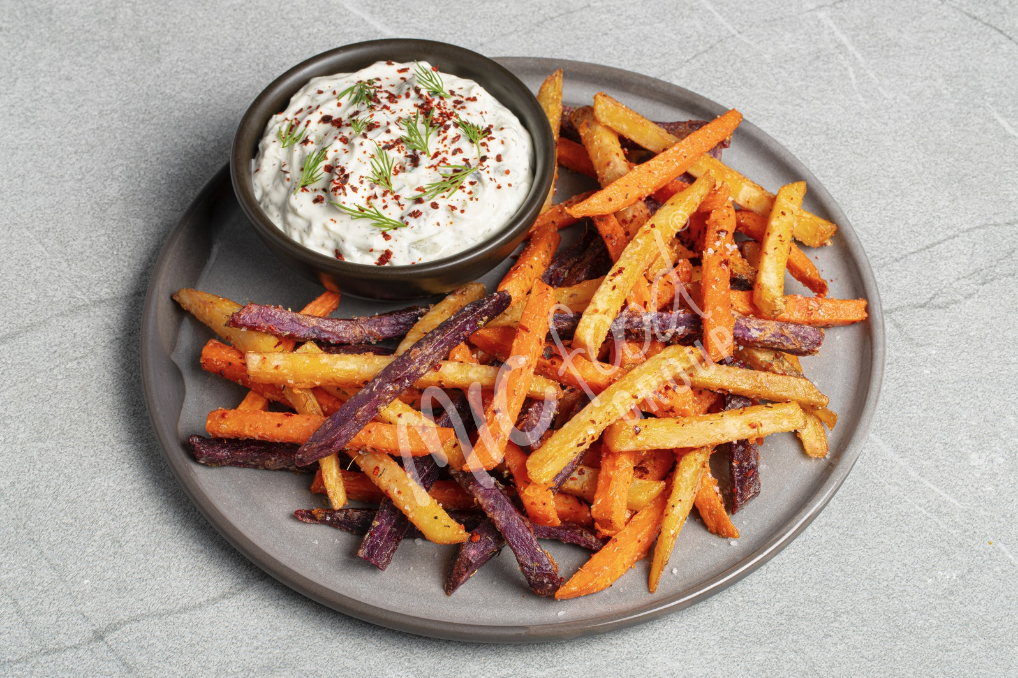
Tri-color sweet potato fries can be featured as:
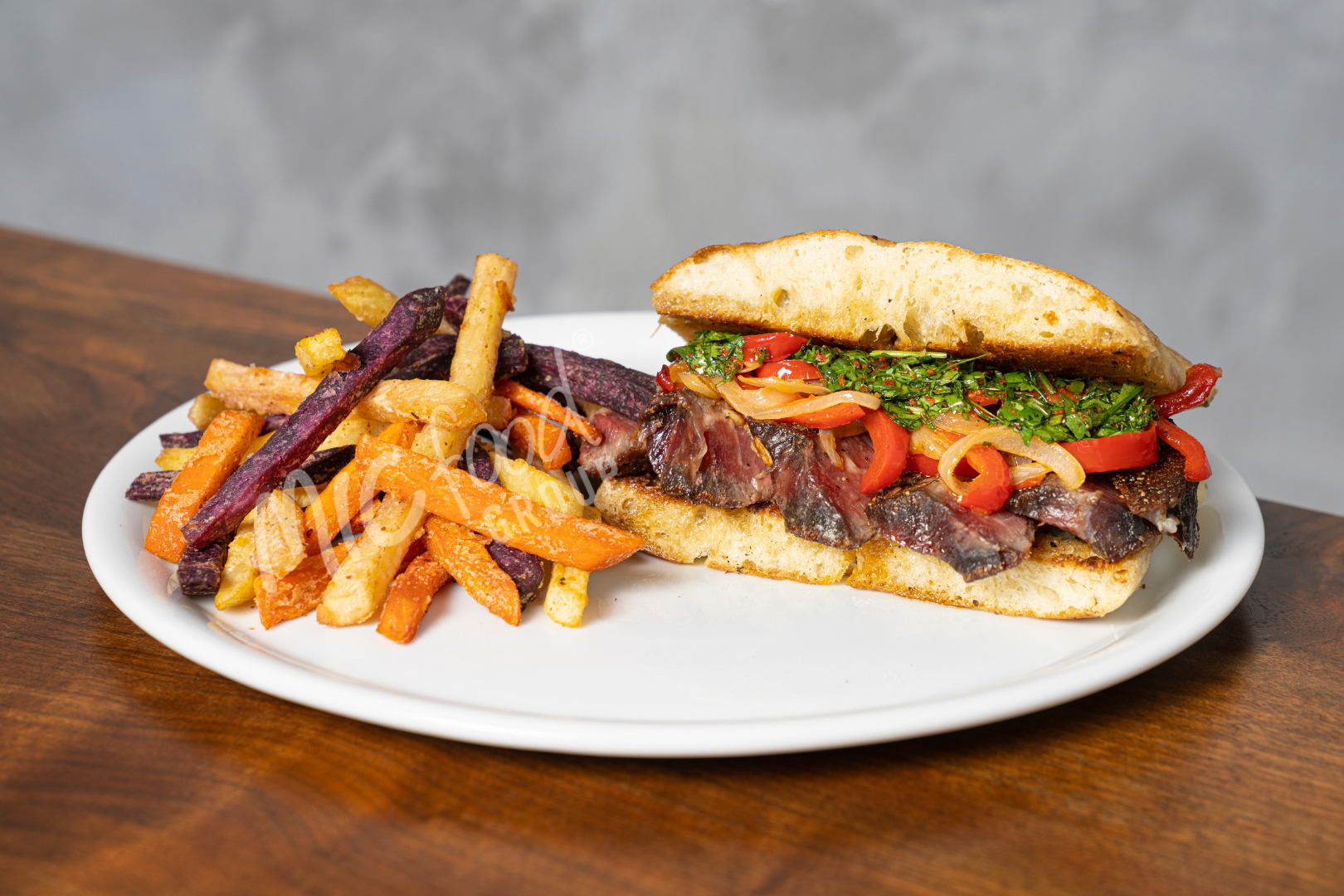
- Premium burger accompaniments
- Upscale side dishes
- Loaded shareable appetizers
- Global fusion offerings
- Bar and lounge menu items
- Resort and casino foodservice applications
- Catering and banquet service upgrades
Their distinctive appearance allows them to stand out immediately, helping operators create a more memorable dining experience.
Orange, purple, and golden sweet potatoes each bring their own unique combination of nutrition, flavor, texture, and visual appeal. Together, they create a compelling opportunity for operators looking to differentiate menus, capitalize on emerging foodservice trends, and streamline kitchen operations.
For buyers seeking a colorful, freezer-friendly solution that delivers premium presentation with operational efficiency, tri-color sweet potato fries offer an easy way to bring all three varieties to the plate.
Interested in adding Tri-Color Sweet Potato Fries to your menu? Contact us today to request product information, samples, or distribution availability for your market.
Sources: